
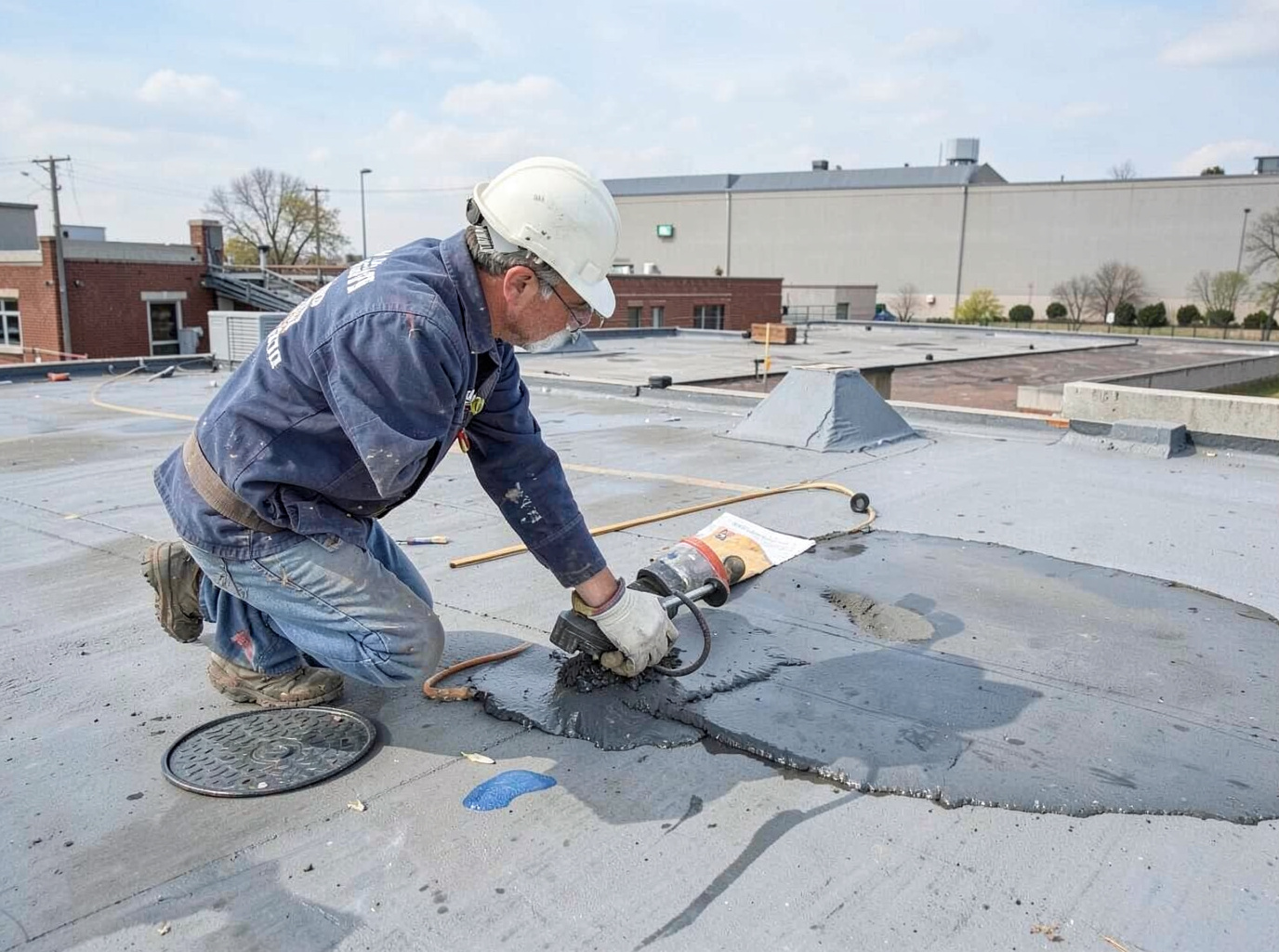
Roofing contractor work in the Historic 100 Block focuses on older homes built in the late 1800s and early 1900s along narrow downtown streets. These properties often feature steep pitches and original materials that need careful removal and matching to keep the neighborhood character intact. Crews stage equipment on limited curb space while working around mature trees and shared lot lines common in this part of Council Bluffs.
Hot summers in the humid continental climate speed up shingle aging and increase attic heat buildup on these compact blocks. A roofing contractor serving the area schedules tear-offs early in the day and uses ventilation upgrades that fit the tight roof cavities found on 100 Block houses. Proximity to Omaha means quick material runs across the river when weather windows open.
Drainage around the 100 Block slopes toward older combined sewers, so proper flashing and gutter alignment prevent water intrusion into basements during heavy rains. Local crews know which streets allow truck access and which require hand-carrying bundles to avoid blocking historic sidewalks.
Around Historic 100 Block, IA
We regularly work near:
- 📍Historic General Dodge House
- 📍Downtown Council Bluffs
- 📍Broadway historic corridor
Roofing Contractor in Historic 100 Block, IA — Local Notes
- •Narrow lots and on-street parking in the 100 Block require roof crews to use smaller equipment and staged material drops rather than full trailer loads.
- •Many homes here have original cedar or slate that must be disposed of carefully to avoid damaging adjacent historic structures during removal.
- •Summer heat combined with south-facing exposures on these blocks shortens asphalt shingle life, prompting earlier inspections after peak temperature months.
- •Pottawattamie County soil movement near the Missouri River bluff edge can shift older foundations slightly, requiring extra flashing attention at roof-to-wall transitions.